Posthuman Future
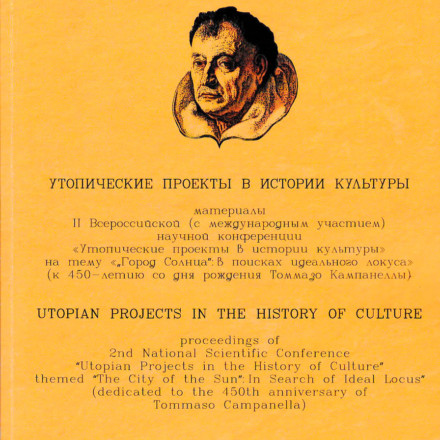
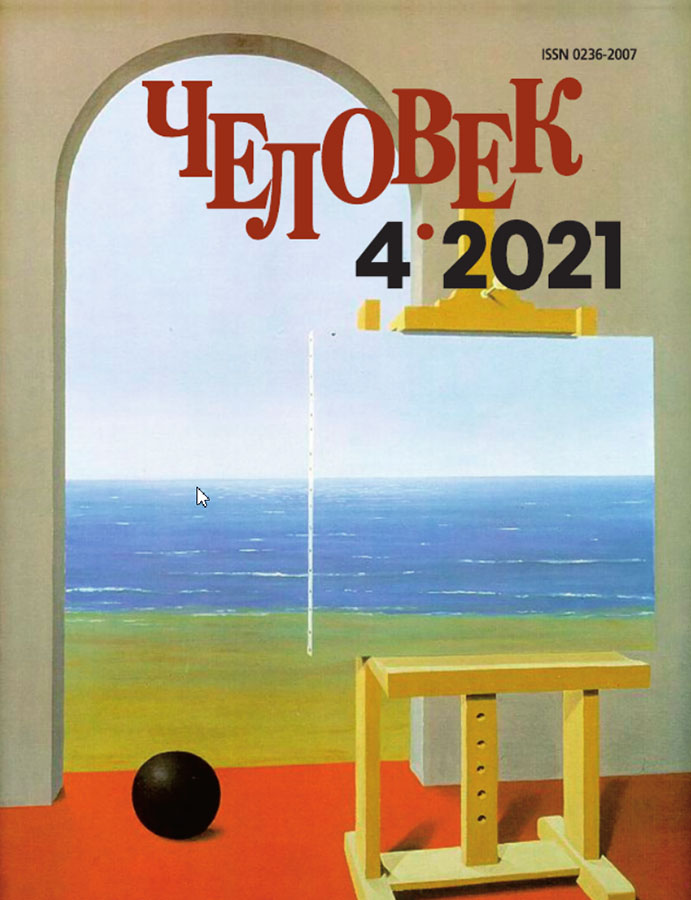 “Our Posthuman Future” in Utopias of Contemporary Art (2021). Collaboration with Taisiya S. Paniotova.
Abstract
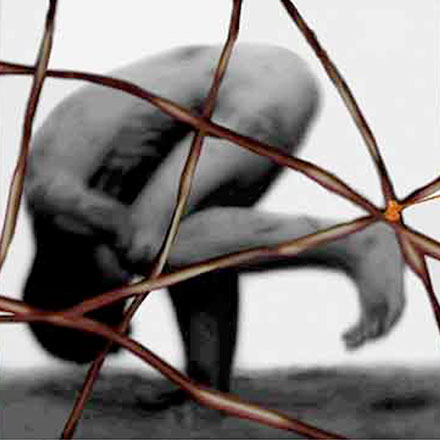
The evolution of the concepts of body and progress, specifically since modernity and with the implementation of technologies, allows us to delve into new utopian/dystopian visions of the human subject and their corporeality. The powerful idea of the automaton body persists implicitly in many of these representations. It is also noteworthy that the body is presented as a machine and not as a natural object or animal, a fact that will undoubtedly have consequences when performing activities with and on the body. New technologies offer the possibility of overcoming the limits imposed by our biological heritage in a kind of explicit desire to reject our past and our natural-organic origin.
In this sense, a significant number of thinkers, scientists, and artists consider the body as something completely obsolete, an empty shell that must be abandoned to technologically pave the way for the next level in human evolution: the Techno Sapiens or the Cyborg. There is a call for the object of study in anthropology to shift from the “human being” to the “cyborg,” considered a more suitable representative of our present, and above all, of our future. The figure of the cyborg has become central to a new utopian transhumanist paradigm (Katherine Hayles, Nick Bostrom, Robin Hanson, Hans Moravec…). Simultaneously, in the art world, figures are emerging who seek to represent this techno-evolution, artists such as Stelar, who intervened and connected to the internet with cables in his Third Hand (1980), Fractal Flesh (1995), or Marcel·lí Antúnez with Epizoo (1994) or the performance Afasia (1998), among others.
- Chelovek (The Human Being) Vol. 32. Issue 4. pp. 149-171. Moscú.
ISSN 0236-2007. (2021).
https://hdl.handle.net/20.500.14352/128415